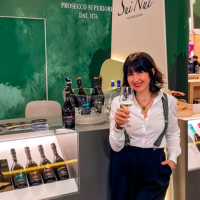
In this second part of our interview with Mari Koppel, Import Manager of MOE OU, Ekaterina Strelyanaya dives deeper into the shifting dynamics of the Estonian alcoholic beverage market. From the evolving preferences of consumers to the challenges faced by importers and producers, Mari provides a unique perspective on the current state and future of the wine market in Estonia, with the aim to help producers better calibrate their choice of partners and build stronger collaborations. You can read the first part of the interview here.
1. Is the Estonian consumer more curious today than five years ago?
Yes, I would say that the Estonian consumer is noticeably more curious today than five years ago. Over the past years, consumers in Estonia have become more interested in discovering new wine regions, grape varieties and styles. This is partly driven by increased access to information, travel, and the growing influence of food culture and gastronomy. Wine is increasingly seen not only as a product, but as part of a broader lifestyle and dining experience.
At the same time, the overall alcohol market in Estonia has become more diverse. Consumers move quite comfortably between different categories — beer, spirits and wine — depending on the occasion. The growth of craft beer culture and the wider availability of international wines have also encouraged experimentation and curiosity among consumers.
Economic factors still play an important role, and price sensitivity remains significant in the Estonian market. However, compared with five years ago, consumers today are generally more willing to explore new producers, regions and styles, which makes the market more dynamic than it used to be.
2. Are people drinking less but better, or is price sensitivity increasing?
I would say both trends exist at the same time. Consumers are increasingly curious and interested in better quality wines, new regions and distinctive products.
At the same time, price sensitivity has grown in recent years due to the rising cost of living. As a result, people are often more selective — they may drink less frequently, but choose better products for certain occasions, while still paying close attention to value for money.
3. Is there a growing preference for fresher, lower-alcohol and more gastronomic styles?
Yes, to some extent this trend is visible. Consumers are increasingly interested in fresher, lighter and more food-friendly wine styles. This is partly connected to broader lifestyle changes, as people are becoming more conscious about health and moderation.
Younger consumers in particular tend to favour lighter categories such as RTDs and alcohol-free drinks. However, alcohol-free wines are still not entirely understood by Estonian consumers. They tend to work well in a restaurant context, where they can complement the dining experience, but they are not yet a very common choice for everyday purchases in supermarkets.
4. How strong is the influence of natural or low-intervention wines in your portfolio?
In our portfolio, the influence of natural or low-intervention wines is still relatively small. However, I do see that their share is growing year by year, especially in the restaurant sector. In supermarkets they are not yet very visible. Consumer awareness and interest in these wines are certainly increasing, but not to the extent that I would feel the entire portfolio should be built around this category.
At the same time, I am aware that sustainability or “naturalness” is not always reflected only in official certifications, which often add extra cost to the product. Many producers work in a very sustainable and low-intervention way in both their vineyards and cellars, even if they do not hold formal certifications.
Climate change also adds complexity to this discussion. Increasingly unpredictable weather conditions make strict certification frameworks more difficult to maintain, and in some cases they require producers to adapt their practices in ways that do not always fit neatly within certification rules.
Researche shows that certified organic vineyards still represent only a small share of global vineyard area, even though many producers follow sustainable practices without formal certification.
5. Does storytelling genuinely influence purchasing decisions, or does the wine need to “speak for itself”?
Storytelling can influence purchasing decisions, particularly during presentations, tastings or targeted marketing activities where the background of the producer and the wine can be explained in more detail. However, in the broader market it usually plays a smaller role. In many cases the wine still has to speak for itself — through a clear and memorable label, the right price point and, of course, the taste. Today in Estonia there is a growing interest in spending free time through wine education, tastings and wine-related events. This does create some opportunity for building brand recognition, as consumers can learn about producers and their stories in a more direct way. However, our retail and supermarket system does not always support this visibility. A wine that gains attention at tastings or events may not necessarily be available on supermarket shelves, which makes broader brand building more difficult. Of course, wineries can or could sometimes work with influential sommeliers or other trend-setting figures from our „wine world“ who help introduce the wines to audiences and strengthen the brand image in the market.
6. Are restaurants in Tallinn driving trends, or is retail shaping consumer taste more strongly?
Yes, in Tallinn there are some restaurants that play an important role in shaping trends. In the restaurant environment wines are introduced through recommendations, food pairings and carefully curated wine lists, giving sommeliers and chefs the opportunity to present new regions, styles and producers to consumers — which also connects to my previous point about how wines are discovered. In practice, restaurants often act as trendsetters, while retail determines the real market volume. A wine may first gain attention in restaurants or wine bars, but its broader success depends on whether it reaches retail channels, where most consumers actually buy wine. Even then, larger volumes usually come only from wines that are memorable on the shelf — with a clear label and a price point that stays in the consumer’s mind.
7. Are wine lists becoming shorter and more focused, or broader and more exploratory?
Yes, I think in practice, wine lists are becoming more curated and focused. In many modern restaurants the goal is not to offer hundreds of bottles, but to curate a clear and well-thought-out selection that matches the cuisine and the concept of the restaurant. Our Sommeliers often use the wine list to introduce lesser-known regions, natural wines or smaller producers, which reflects the growing wine culture in the city and the presence of specialised wine bars and restaurants.
8. How important is staff education when introducing wines from lesser-known countries?
In practice, well-educated staff can act as an important bridge between the producer and the consumer. But for wines from lesser-known regions to succeed in the long term, education usually needs to be supported by consistent availability, clear positioning and wider market communication.
9. Do smaller or lesser-known producing countries have real opportunities here?
Yes, smaller or lesser-known producing countries can have opportunities in Estonia, but success usually depends on positioning and distribution. The market is relatively small and price-sensitive, and imports are still dominated by traditional producers like Italy, Spain and France. However, as consumers become more curious, wines from countries such as Portugal, Austria, Georgia or Greece are gaining visibility, especially in restaurants and specialised wine shops. In practice, restaurants and wine bars often act as the entry point, while wider success usually depends on whether the wines later reach retail channels.